

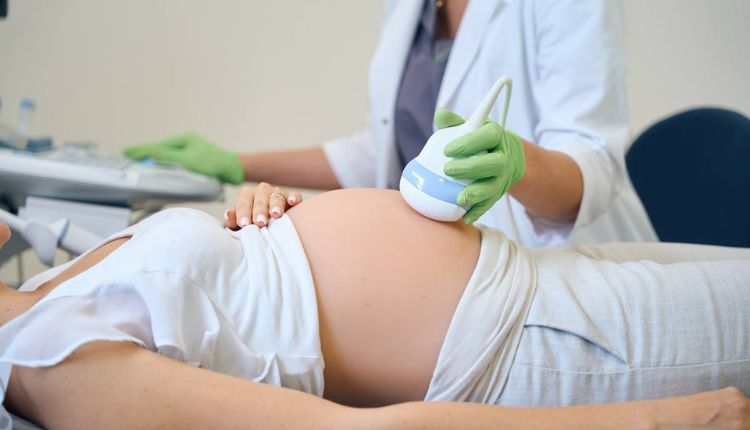
Modern pediatric healthcare has evolved into a comprehensive system that prioritizes early diagnosis, precision treatment, and continuous care tailored specifically for children. From the first consultation to complete recovery, every stage requires a structured approach supported by clinical expertise and advanced medical infrastructure. Parents today are not just seeking treatment; they are looking for reassurance, transparency, and long-term health outcomes for their children.
Choosing the best pediatric hospital in Hyderabad involves understanding how well a facility integrates consultation, diagnostics, treatment, and recovery into a seamless experience. Hospitals that excel in this continuum of care focus on minimizing stress for both children and parents while ensuring clinical excellence. By offering specialized services under one roof, these institutions redefine pediatric healthcare standards and ensure that every child receives timely, effective, and compassionate care throughout their medical journey.
Comprehensive Pediatric Consultations for Accurate Diagnosis
The foundation of effective pediatric care begins with detailed and well-structured consultations. Leading hospitals prioritize thorough evaluations that go beyond basic symptom analysis, focusing instead on understanding a child’s medical history, lifestyle, and developmental milestones. This approach ensures that diagnoses are not only accurate but also contextually relevant to the child’s overall health.
Consultations in advanced pediatric settings involve multidisciplinary collaboration, where pediatricians work closely with specialists to identify underlying conditions early. This reduces the chances of delayed treatment and enhances recovery outcomes. Additionally, child-friendly consultation environments help reduce anxiety, making it easier for young patients to communicate their discomfort.
By emphasizing clarity and precision in the initial stages, the best pediatric hospital ensures that every treatment plan is built on a strong diagnostic foundation, ultimately leading to better healthcare experiences and improved long-term wellness.
Advanced Diagnostic and Imaging Services
Accurate diagnosis relies heavily on the availability of advanced diagnostic tools and imaging technologies. Pediatric hospitals that invest in modern equipment can detect conditions at an early stage, enabling timely intervention and reducing complications. From laboratory testing to specialized imaging, these services play a critical role in shaping effective treatment strategies.
What sets leading institutions apart is their ability to adapt diagnostic procedures specifically for children. This includes using low-radiation imaging techniques and minimally invasive testing methods that prioritize safety and comfort. Skilled technicians and pediatric radiologists ensure that procedures are conducted efficiently while maintaining a child-centric approach.
These advanced diagnostic capabilities not only support precise medical decisions but also reduce the need for repeated testing. As a result, children experience less discomfort, and parents gain confidence in the accuracy of the healthcare process. Such integration of technology and expertise defines high-quality pediatric care.
Specialized Treatment Across Pediatric Disciplines
Pediatric healthcare is not a one-size-fits-all system. Children require specialized treatment approaches that address their unique physiological and developmental needs. Hospitals offering multidisciplinary care ensure access to experts across various pediatric disciplines, including cardiology, neurology, and gastroenterology.
Specialized treatment services are designed to provide targeted care for complex conditions, ensuring that children receive the most appropriate interventions. These services often include customized treatment plans, advanced surgical procedures, and ongoing monitoring to track progress. The presence of dedicated pediatric specialists enhances the quality of care and ensures that even rare conditions are managed effectively.
The pediatric hospital in Hyderabad stands out by integrating these specialties into a cohesive care model, allowing seamless coordination between departments. This not only improves treatment efficiency but also ensures that children receive holistic care that supports both immediate recovery and long-term health.
Child-Centric Recovery and Rehabilitation Programs
Recovery is a crucial phase that determines the overall success of medical treatment. Pediatric hospitals with structured rehabilitation programs focus on helping children regain strength, mobility, and confidence after illness or surgery. These programs are tailored to suit different age groups and medical conditions, ensuring effective and comfortable recovery processes.
Rehabilitation services often include physiotherapy, nutritional counseling, and psychological support. Such a comprehensive approach addresses both physical and emotional aspects of recovery, enabling children to return to their daily routines with ease. Additionally, continuous monitoring during this phase helps identify any complications early, ensuring timely intervention.
A child-centric recovery model also involves educating parents about post-treatment care, empowering them to support their child’s healing process at home. This collaborative approach enhances recovery outcomes and reinforces the importance of continuity in pediatric healthcare.
Preventive Care and Long-Term Health Management
Preventive care is an essential component of pediatric healthcare that extends beyond immediate treatment. Hospitals that prioritize prevention focus on regular health checkups, vaccinations, and early screenings to detect potential health issues before they become serious. This proactive approach significantly reduces the risk of chronic conditions and supports healthy development.
Long-term health management involves tracking a child’s growth, nutritional status, and overall well-being over time. Pediatric hospitals often provide personalized health plans that guide parents on maintaining their child’s health through different stages of development. Educational initiatives and awareness programs further strengthen this approach by promoting healthy habits from an early age.
By combining preventive care with continuous monitoring, leading institutions create a strong foundation for lifelong health. This forward-thinking strategy ensures that children not only recover from illnesses but also thrive in the years ahead.
Conclusion
From initial consultation to complete recovery, pediatric healthcare requires a seamless integration of expertise, technology, and compassionate care. Hospitals that excel in delivering this continuum provide a structured and reassuring experience for both children and their families. By focusing on accurate diagnosis, specialized treatment, effective rehabilitation, and preventive care, they ensure comprehensive health management at every stage.
Selecting the best pediatric hospital ultimately comes down to evaluating how well these services are delivered in a cohesive and patient-centered manner, with access to specialists such as the Best Paediatric Gastroenterologist, further strengthening the quality and depth of care provided. For parents seeking reliable and advanced pediatric care, exploring trusted healthcare providers like Ankura Hospital can offer valuable direction in making informed decisions that prioritize a child’s long-term well-being.
